AI-Powered Solar Engineering

Design Your Solar Future With Intelligence

Calculate, design, optimize, and connect with certified installers — all in one powerful platform powered by advanced AI and real-time weather data.

12,400+

Systems Designed

98.5%

Accuracy Rate

850+

Verified Installers

45MW

Total Capacity
Features

Everything You Need to Go Solar

From initial calculations to final installation, SOLYNK streamlines every step of your solar journey with precision engineering.
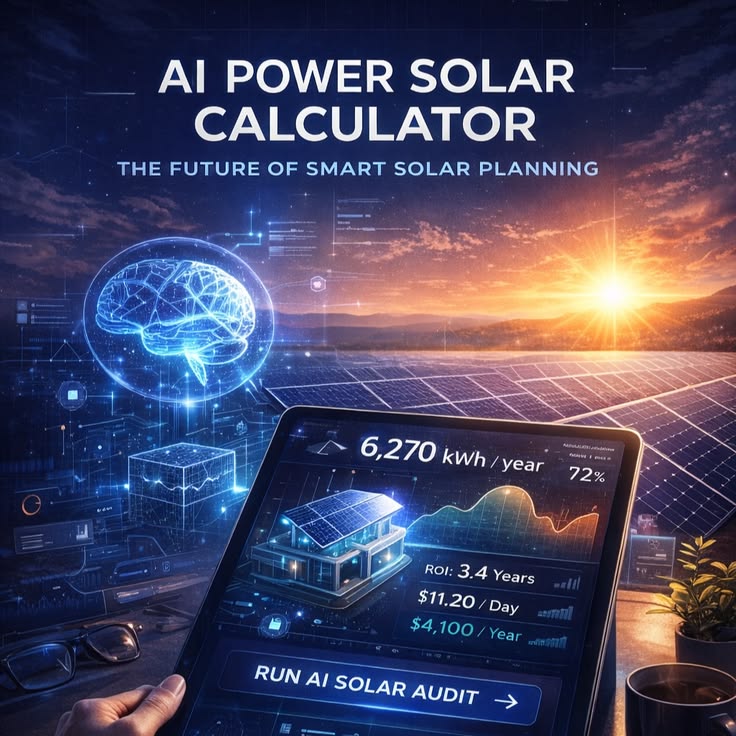
AI-powered solar calculator visual

Smart Calculator

Accurate load analysis, battery sizing, panel configuration, and inverter selection with real-time AI optimization.
Intelligent renewable energy network visual

AI Assistant

Get intelligent recommendations, cost estimates, and system optimizations tailored to your specific energy needs.

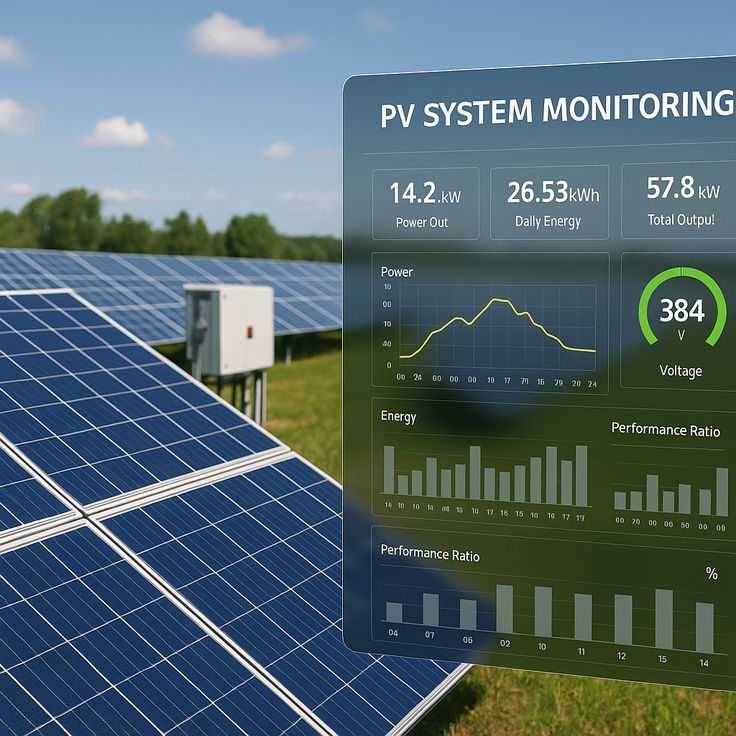
Solar performance monitoring dashboard

Export & Reports

Generate professional PDF reports, BOM lists, and wiring diagrams for permits and installer quotes.

Solar installer network visual

Installer Network

Connect with verified local installers, compare quotes, read reviews, and schedule consultations seamlessly.

Solar financial performance dashboard

Financial Analysis

ROI calculations, payback periods, financing options, net metering analysis, and tariff optimization.

Solar panels and weather intelligence visual

Weather Integration

Real-time irradiance data, weather forecasting, seasonal performance adjustments, and shading analysis.

Pricing

Simple, Transparent Pricing

Choose the plan that fits your solar ambitions. Upgrade or downgrade anytime.

Free

$0/month
  • Basic solar calculator
  • Up to 3 saved projects
  • Standard reports
  • Community support

Installer

$99/month
  • Verified installer badge
  • Lead generation dashboard
  • Custom branding & API
  • Dedicated account manager
  • White-label reports
Support

Frequently Asked Questions

Everything you need to know about solar energy, system design, and getting started with SOLYNK.

Solar Basics

How do solar panels work?
Solar panels use photovoltaic (PV) cells to convert sunlight into DC electricity. An inverter then converts this DC power into AC electricity that your home appliances can use. When your panels produce more energy than you need, the excess can be stored in batteries or sent back to the grid for credits.
What are the main types of solar systems?
There are three main types: Grid-Tied (connected to utility grid, no batteries), Hybrid (grid-connected with battery backup), and Off-Grid (completely independent with battery storage). Grid-tied is most common for homes, while off-grid is ideal for remote locations.
Do solar panels work on cloudy days?
Yes, solar panels generate electricity even on cloudy days, though at reduced efficiency (typically 10-25% of normal output). They work based on UV light, not just direct sunlight. However, they do not produce energy at night, which is why battery storage or grid connection is important.
How long do solar panels last?
Most solar panels last 25-30 years with minimal degradation. Premium panels can maintain 85-90% of their original efficiency after 25 years. Inverters typically need replacement every 10-15 years, and batteries last 5-15 years depending on type and usage.

Installation

How long does solar installation take?
Physical installation typically takes 1-3 days for residential systems. However, the full process from signing a contract to system activation usually takes 2-6 months, depending on permitting, utility approvals, and installer scheduling.
Do I need a permit for solar installation?
Yes, permits are required in most areas. You'll need a building permit from your local city/county and an interconnection permit from your utility company. Professional installers typically handle the permitting process for you.
Is my roof suitable for solar?
Ideal roofs are south-facing (in Northern Hemisphere), shade-free between 9am-3pm, structurally sound, and have at least 265 sq ft of space. East/west-facing roofs can work too with slightly reduced efficiency. A professional site assessment will determine your roof's suitability.
Can I install solar myself?
While DIY installation is possible, it's generally not recommended. Professional installers ensure safety, optimal system design, proper permitting, and warranty coverage. Many jurisdictions require licensed electricians for grid connections. SOLYNK helps you find certified installers in your area.

Costs & Savings

How much does a home solar system cost?
The average 7.2 kW residential system costs $15,000-$30,000 before incentives. After the 30% federal tax credit, costs drop to $10,500-$21,000. Actual costs vary by location, system size, roof complexity, and equipment quality. Use SOLYNK's calculator for precise estimates.
How much can I save with solar?
The average homeowner saves $125/month on electricity bills. Over 25 years, total savings can reach $60,000 or more depending on your local utility rates, system size, and energy consumption. High electricity bills mean higher solar savings.
What solar incentives are available?
The federal Investment Tax Credit (ITC) provides 30% of system costs. Many states offer additional rebates, net metering policies, and performance-based incentives. Some utilities provide special rates or discounts. Check Database of State Incentives for Renewables & Efficiency (DSIRE) for local programs.
What is net metering?
Net metering is a billing arrangement where excess solar energy sent to the grid earns credits on your utility bill. These credits offset the cost of electricity you draw from the grid when your panels aren't producing enough. Policies vary by state and utility.

Equipment

What components make up a solar system?
A complete system includes: Solar panels (generate DC electricity), Inverter (converts DC to AC), Racking/mounting (holds panels in place), Monitoring system (tracks performance), and optionally Batteries (store excess energy) and Charge controllers (regulate battery charging).
What battery type should I choose?
LiFePO4 (Lithium Iron Phosphate) is the best choice for most homes — 90% depth of discharge, 10-15 year lifespan, minimal maintenance. Lead Acid is cheaper but only 50% usable capacity and 3-5 year lifespan. AGM/Gel are middle-ground options with 60-70% DoD.
What size inverter do I need?
Your inverter should handle your peak load plus a 25% safety margin. For example, if your peak load is 4,000W, you need a 5,000W inverter. SOLYNK's calculator automatically sizes your inverter based on your appliance inputs and system configuration.
Monocrystalline vs Polycrystalline panels?
Monocrystalline panels are more efficient (20-22%), perform better in low light, and last longer — ideal for limited roof space. Polycrystalline panels are cheaper but less efficient (15-17%) and require more space. Most modern installations use monocrystalline.

Maintenance

How do I maintain solar panels?
Solar panels require minimal maintenance. Annual professional cleaning removes dust, pollen, and bird droppings that reduce efficiency. Rain naturally cleans panels in most climates. Avoid harsh chemicals — use soft brushes and deionized water. Monitor performance via your inverter's app to catch issues early.
What happens during a power outage?
Standard grid-tied systems shut down during outages for safety. Hybrid systems with battery backup can power essential circuits. Off-grid systems operate independently. If backup power is important, invest in a hybrid system with battery storage sized for your critical loads.
Can solar panels withstand extreme weather?
Yes, solar panels are designed to withstand hail, high winds (up to 140 mph), heavy snow loads, and extreme temperatures. They're tested to IEC 61215 standards. Most manufacturers offer 25-year warranties covering weather damage. Homeowner's insurance typically covers solar panels as part of your roof.
When should I call a professional?
Call a professional if you notice: significant drop in energy production, inverter error messages, physical damage to panels, water leaks around mounts, or burning smells. Never attempt electrical repairs yourself. SOLYNK's marketplace connects you with certified technicians for maintenance and repairs.

Still have questions?

Our AI assistant can answer specific questions about your project

Dashboard

Welcome back, User

Premium
12%
12
Total Projects
8%
48
Calculations
24%
8
Saved Reports
5%
24.5 kW
Total Capacity

Recent Activity

Home Solar System — 5kW

Load calculation completed with 98.2% accuracy

2h ago

Professional Report Exported

PDF generated for Project #11 with full BOM

5h ago

Project Saved

Off-grid cabin system — 48V LiFePO4 configuration

1d ago

Installer Matched

GreenTech Solar — Quote $12,400 requested

2d ago

Quick Actions

Premium Plan

Renews on Oct 15, 2026

Solar System Calculator

Design your complete solar power system with AI-powered optimization

Load Analysis

Enter the known daily energy requirement. Peak load is optional; if omitted, it is estimated from the daily energy value.

ApplianceQtyWattsHrs/Day

System Configuration

System Summary

Daily Energy Demand
0 Wh
Based on your appliance load
Battery Bank
Capacity Required0 Ah
Energy Storage0 Wh
Autonomy0 days
Solar Array
Array Size0 W
Panel Count0
Daily Generation0 Wh
Power Electronics
Peak Load0 W
Inverter Size0 W
Charge Controller0 A

Installer Marketplace

Connect with verified solar installers in your area

847
Verified Installers
4.8
Avg Rating
12,400+
Projects Completed
50
States Covered
Help Center

Frequently Asked Questions

Find answers to common questions about solar energy, installation, and system design.

Home Solar System — 5kW

System Design Results

Your optimized solar power system configuration

Load Analysis

Total Daily Energy Demand 0 Wh
Peak Load 0 W
Backup Duration 24 hours
Peak Sun Hours 5.5 hrs/day

Battery Bank

Recommended Type LiFePO4 (Lithium Iron Phosphate)
Total Capacity 0 Ah
Number of Batteries 0
Battery Voltage 48V
Depth of Discharge 90%
Autonomy 0 days

Solar Array

Panel Wattage 550W
Number of Panels 0
Total Array Size 0 W
Daily Generation 0 Wh
System Efficiency 85%

Power Electronics

Recommended Inverter 0 W Pure Sine Wave
Charge Controller 0 A MPPT
Safety Margin 25%

Estimated Cost Breakdown

Solar Panels (x0) $0
Battery Bank (x0) $0
Inverter $0
Charge Controller $0
Mounting & Racking $0
Installation Labor $0
Permits & Inspections $0
Total Estimated Cost $0
Monthly Savings
$0
on electricity bill
Yearly Savings
$0
projected annually
Payback Period
0 yrs
ROI timeline

Actions

98.5% Design Accuracy

This design has been validated by SOLYNK's AI engine against 12,400+ real-world installations.

Ready to Install?

Connect with verified installers in your area

GT
SS
SE
+12

GROQ SOLAR ASSISTANT

Hello! I’m your Groq-powered solar assistant. Ask me about system design, equipment, energy use, or calculations.

Dashboard Overview

Real-time platform metrics and activity

1,247
Total Users
12% this month
847
Verified Installers
8% this month
45,230
Calculations
24% this month
$18,420
Monthly Revenue
15% this month

User Growth

Revenue Breakdown

Recent Activity

New user registered

sarah.johnson@gmail.com — Premium plan

2m ago

Report generated

Home Solar System 5kW — Project #1247

5m ago

Installer verified

SunPower Pro — Austin, TX

12m ago

Plan upgrade

john.doe@gmail.com — Free → Premium

18m ago

Calculation completed

Off-grid cabin system — 98.5% accuracy

22m ago

User Management

View, manage, and moderate platform users

User Email Plan Projects Joined Status Actions

Installer Management

Verify, manage, and moderate installer profiles

Installer Company Location Rating Status Actions

Generated Reports

Monitor and manage system-generated reports

Report User Type Generated Size Actions

Platform Analytics

Deep-dive metrics and performance indicators

+142
New Users (7d)
3,847
Calculations (7d)
892
Reports Generated (7d)
234
Quote Requests (7d)

Revenue Trends (6 Months)

Plan Distribution

Top Installers by Quotes

Platform Settings

Configure global platform parameters

Calculation Defaults

Pricing Settings

Platform Security